Carry Less, Wander More: Ultralight Weekends by Bus and Train
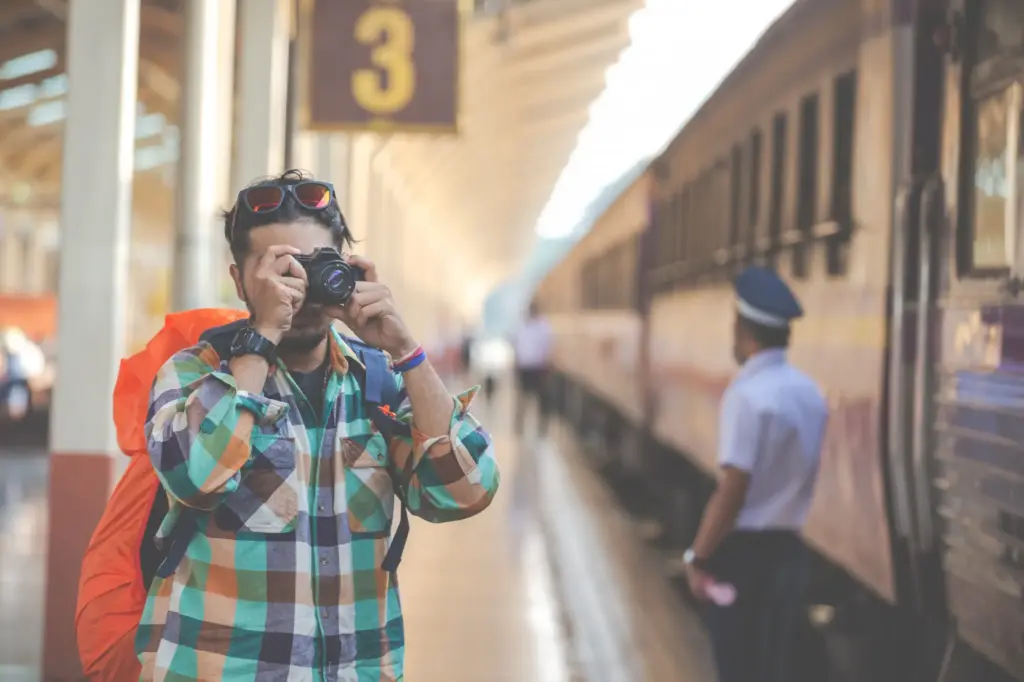
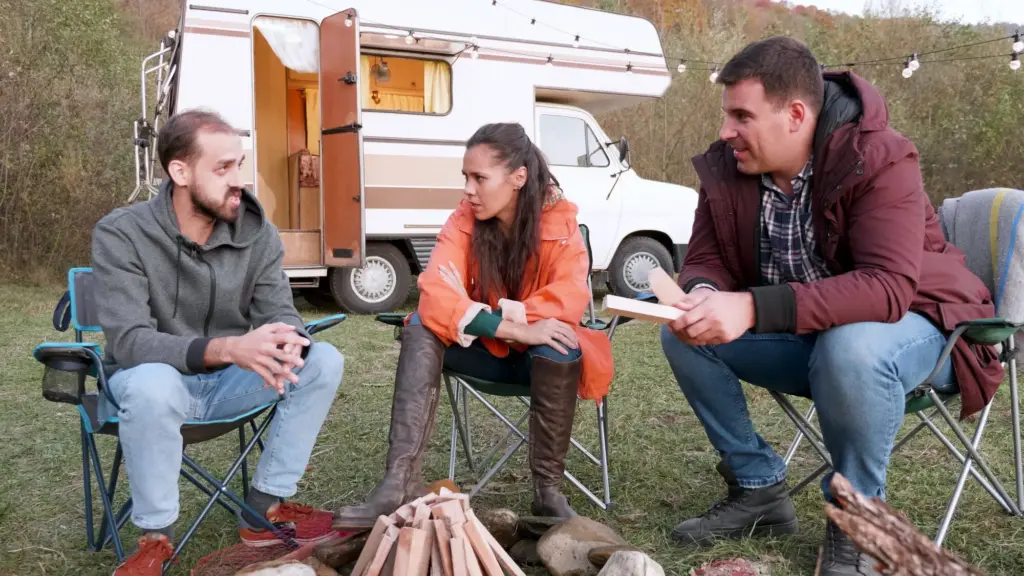
Let’s dive into packing ultralight for public-transit camping weekends, turning trains, subways, and buses into efficient gateways to trailheads and quiet camps. Discover dialed systems, proven weight goals, and nimble habits that make transfers painless, overhead bins welcoming, and short escapes feel like big adventures without baggage fees, awkward loads, or missed connections.

Build a System That Loves Transfers

Design a kit that moves as gracefully through turnstiles and crowded platforms as it does along switchbacks. Focus on realistic base-weight targets, multipurpose items, small-volume shelter, and a backpack profile that fits overhead racks while staying ride-comfortable. With a tight, modular approach, you’ll flow from station to trail without repacking chaos or anxious glances from drivers and conductors.

Pick a Backpack That Fits Everywhere

Choose a frameless or lightly framed pack with a slim silhouette under typical carry-on dimensions, avoiding wide side pockets that snag in doors or aisles. Side compression, soft bottles, and a clean exterior help you slip past shoulders, settle overhead, and deboard swiftly without startling passengers or knocking coffee cups.

Set Achievable Weight Targets

Aim for a base weight that keeps you fresh during multiple transfers and quick platform sprints. Many weekend setups feel magical between five and nine kilograms, depending on climate and comfort. Focus on volume reduction too, because a smaller pack often travels better, looks unobtrusive, and finds storage space on crowded routes when larger luggage is turned away.

Multipurpose Is the Secret Ingredient

Lean into items that earn their place: a windshirt doubling as a cool-evening layer, a buff serving as hat and sleep mask, a phone switching from ticket wallet to navigator. This approach minimizes clutter, compounds utility, and keeps your bag’s profile sleek enough to ride transit comfortably and disappear into overhead compartments.

Wardrobe That Works From Platform To Pine Needles

Dress for warmth-to-weight efficiency and urban-to-trail transitions with layers that never scream “expedition.” Neutral tones, quick-dry fabrics, and packable insulation blend into stations, coffee lines, and trailheads. Prioritize pieces that breathe on climbs yet block wind on platforms, staying presentable during transfers and powerful on the hike without heavy spares stuffed just in case.

Base Layers That Travel Quietly

Choose merino or high-quality synthetics that resist odor, dry fast after a sink rinse, and feel pleasant against skin during long rides. Steer toward tops that pass as casual wear under a light shell. This keeps your appearance easygoing in transit while staying performance-ready the instant your boots hit dirt and the trail calls.

Insulation That Punches Above Its Weight

A compact synthetic jacket or responsibly sourced down layer compresses small and warms big during chilly dawn departures. Look for simple styling that pairs with jeans or trail pants, letting you arrive dignified, stay toasty at camp, and sleep warmer. Packable beanies and gloves disappear into pockets yet transform platform waits into comfortable moments.

Footwear That Crosses Worlds

Low-cut trail runners keep weight down, dry quickly after puddles, and look normal on buses and trains. Pair with merino socks and bring a thin, dry camp pair for bedtime bliss. If weather demands boots, select lighter models, and cinch external mud with a small stuff sack to respect seats, fellow riders, and your future self.
Shelter And Sleep That Shrink Yet Shine

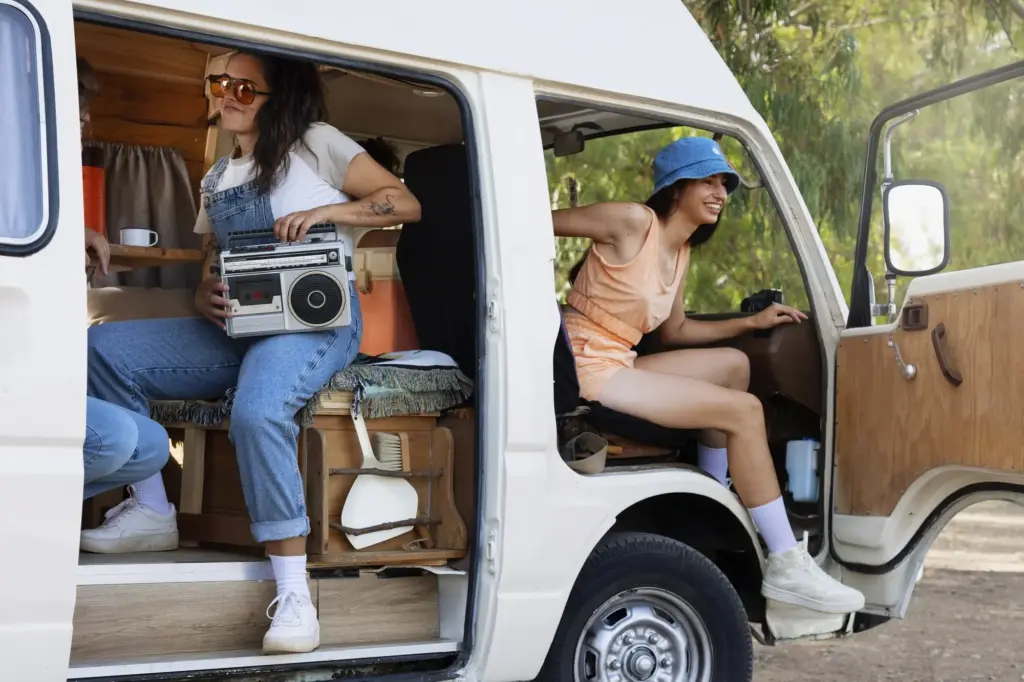
Favor compact choices that set up quickly near late-arriving trailheads and tuck small during transit. Whether you prefer a roomy ultralight tent, a tarp-and-bivy combo, or a dependable hammock, emphasize low bulk, fast pitching, and quiet materials. Pair with a quilt and efficient pad to pull off restorative sleep without hauling a trunk’s worth of gear.

Food, Coffee, And Fuel Without Hassles
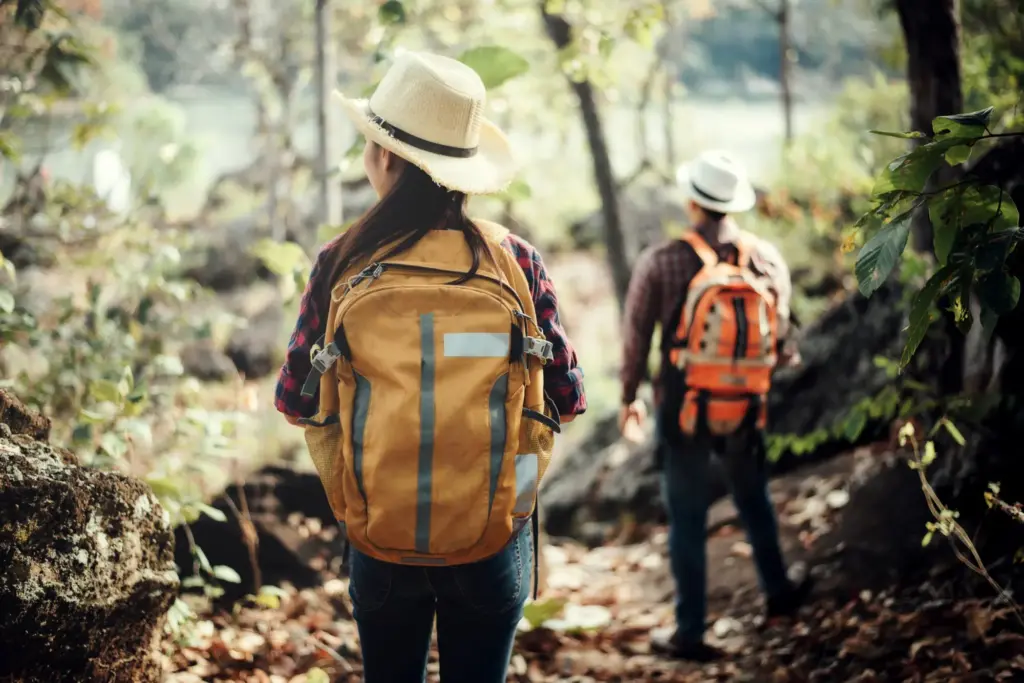
Design meals that avoid transit restrictions and still feel joyful at camp. Many carriers restrict flammable fuels; check specific rules before boarding. Stoveless or cold-soak menus shine on quick trips, while solid-fuel or canister approaches can work when policies allow. Keep coffee simple, cleanup minimal, and packaging quiet so neighbors and nature stay undisturbed.

Hydration That Respects Transit

Carry soft bottles that compress empty and avoid sloshing noises. A tiny squeeze filter or chemical drops handle questionable taps and trail trickles. Refill strategically at stations, then top off before trailheads where access thins. Keep a small, collapsible extra bottle for dry stretches without bulking your pack during busy boarding moments.

Navigation Ready When Signal Fails

Download maps for offline use, mark bailout stops, and star grocery options near transfer points. A slim battery bank and short cable keep phones alive without cable spaghetti. Consider a tiny paper map backup for confidence if screens falter, and pack a compact headlamp ready for late arrivals when last light slips away earlier than planned.

Etiquette, Safety, And Quiet Camps

Arrive discreetly, choose established sites when possible, and minimize light spill in sensitive areas. Store food responsibly, respect quiet hours, and keep early departures hushed. Watch weather windows, notify someone of plans, and carry a tiny first-aid kit. Thoughtful behavior protects access, reduces conflict with neighbors, and preserves the simple joy of quick escapes.

A Repeatable Friday-To-Sunday Flow

Create a dependable routine that launches you from work desk to train seat to starry sky with surprisingly little friction. Pre-packed kits, a standing grocery list near transfer points, and templated itineraries turn spontaneity into reliability. Leave no decisions for late departures, and return Sunday night calmly, already resetting the pack for next weekend’s dash.

Real-World Mini Itineraries And Community Boost

Borrow proven ideas and add your voice. These quick sketches reduce planning friction and show how light kits thrive on public transit. Share your tweaks, subscribe for fresh routes, and invite a friend. Collective knowledge keeps weekends rolling, evolves gear lists responsibly, and turns two days off into a library of remembered miles.
Sirazunotorarino
Privacy Overview

This website uses cookies so that we can provide you with the best user experience possible. Cookie information is stored in your browser and performs functions such as recognising you when you return to our website and helping our team to understand which sections of the website you find most interesting and useful.