Travel Light, Care Deeply: Camping by Bus, Train, and Foot
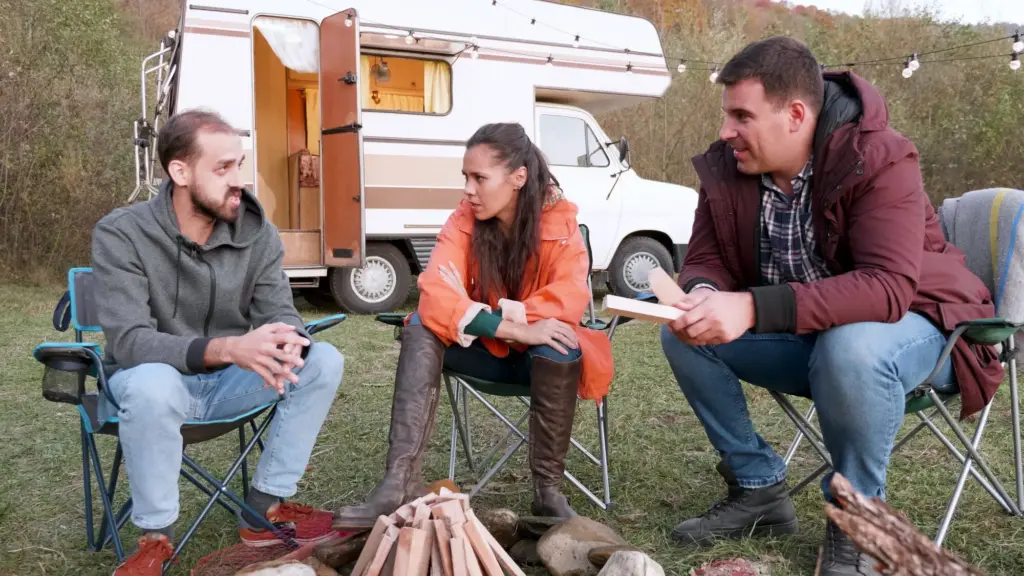
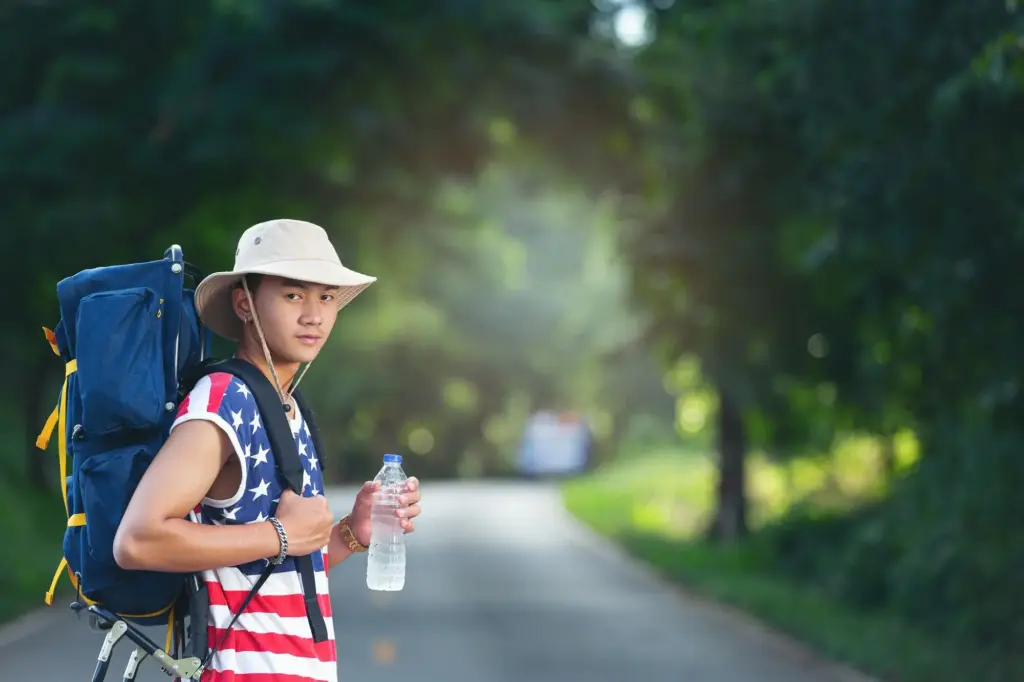
Whether you ride a bus, train, or ferry to the trailhead, this guide brings together Leave No Trace practices and practical safety guidelines for transit-accessed camps. Learn how to plan routes, protect fragile places, manage risks, and travel light while leaving every stop cleaner, safer, and more welcoming for the next riders and hikers.

Smart Routes, Safer Nights

Mapping the Journey

Download offline maps, timetables, and weather forecasts before you lose service beyond the station. Mark water sources, reliable bus stops, and emergency egress trails. Aim to reach camp with at least an hour of light left, keeping energy for setup, a quick perimeter check, and a considerate, quiet evening.

Permits, Access, and Etiquette

Confirm permits early, and screenshot confirmations to show operators or rangers without signal. Yield space on crowded vehicles, secure poles and stakes so they do not jab neighbors, and board with patience. A friendly word and a tidy pack foster goodwill that protects outdoor access for everyone using public transportation.

Weight, Weather, and Timing

Pack light to move confidently between platforms and trailheads, trimming redundancy while preserving safety. Check wind, precipitation, and temperature swings along both the route and destination. Leave with ample transfer time, and never chase a connection by rushing across fragile ground or cutting switchbacks that keep hillsides stable and safe.

Leave No Trace, Tailored to Transit

High-traffic corridors near rail lines and bus stops can be especially fragile. Commit to packing out every scrap, choosing durable surfaces, and minimizing camp impacts. Your respectful habits ripple outward, encouraging curious riders and hikers to learn by example, keeping shared landscapes healthy despite easy access and frequent visitation.

Pack-Out Mastery

Microtrash travels far. Stray tea tags, noodle crumbs, foil corners, and damp wipes escape pockets on windy platforms and open ridgelines. Use a dedicated trash pouch, crush cans flat, and triple-check for tent-stake wrappers. Depart proudly knowing your presence remains invisible, except for improved cleanliness where you paused to rest.

Sanitation with Dignity

When facilities are absent, follow local rules for cat holes or pack-out systems. Stay the proper distance from water, trails, and transit lines to preserve privacy and purity. Strain greywater to remove food bits, scatter it broadly, and store hygiene items securely so curious animals and gusting train winds cannot spread contamination.

Stoves over Flames

Choose a stable backpacking stove and windscreen instead of open fires, especially near well-used access points where scars linger for years. Cook on rock or durable dirt, manage splashes carefully, and cool canisters away from dry brush. Document fire restrictions before boarding and honor them, even when conditions feel deceptively calm.

Campsite Choices Near the Line

A beautiful spot may be only minutes from a station, yet still deserves thoughtful selection. Favor previously impacted sites, stay the recommended distance from water and trails, and avoid wildlife corridors. Choose quiet, hidden corners that reduce visual clutter and keep the soundscape restful for both campers and passing passengers.

Safety Systems That Actually Work

Reliable safety comes from simple, rehearsed habits. Share itineraries, set check-in times, and carry backups for navigation, light, and warmth. Practice small drills before you need them. Confidence grows when each step is calm, predictable, and respectful of both natural limits and the rhythms of public transportation.

Check-Ins and Redundancy

Send a departure text and planned return time before leaving cell range, and agree on a delayed-check protocol. Carry a whistle, backup headlamp, and spare batteries. Duplicate critical items across partners. This small redundancy prevents cascading problems, turning a missed train or swollen creek into a solvable, low-stress inconvenience.

Navigation without Bars

Airplane mode saves power but should not cost awareness. Preload maps, trace key junctions, and photograph information boards. Carry a small compass and know a few bearings to essential landmarks. When uncertainty creeps in, pause early, recheck calmly, and never shortcut over sensitive ground chasing a schedule you can simply adjust.

Group Roles and Crisis Drills

Assign roles before stepping off the platform: navigator, medic, camp lead, and leave space for rotating duties. Rehearse a sprained-ankle wrap, stove spill response, and bear-can protocol. Practicing collaboration builds trust, shortens reaction time, and keeps the environment safer because decisions stay measured when emotions briefly spike.

Bear-Resistant Habits Everywhere

Even outside core bear country, a canister or locker teaches consistency. Separate sleeping and cooking areas, lock away sunscreen and toothpaste, and seal trash nightly. Morning audits for crumbs and wrappers reduce risky curiosity, protect cubs from learning bad patterns, and spare you from midnight visits or awkward relocations.

Rodents, Ravens, and Raccoons

Urban-edge experts pry zippers, untie knots, and carry away shiny spoons. Use hard-sided containers or scent-blocking bags, and never rely on a backpack alone. Complete cleanup before dusk, secure dishwater screens, and avoid feeding birds by accident. Vigilant tidiness preserves ecosystems and keeps camps humane, quiet, and wonderfully uneventful.

Cooking and Odor Control

Choose simple meals that cook quickly, create minimal splatter, and require little open time. Stir near the stove, not while wandering. Wipe pots thoroughly, strain and scatter greywater, and seal leftovers immediately. Your careful rhythm shortens attractant windows, keeps wildlife wary, and boosts safety for every future visitor arriving by transit.

Wildlife and Food Security on Urban Edges

Edges near towns, marinas, and sidings host bold animals adapted to human habits. Guard your food with bear-resistant containers where required and odor-proof practices everywhere. Keep camp clean, cook thoughtfully, and store everything scented securely. Responsible habits keep wildlife wild and your night peaceful, wherever the train last stopped.

Community, Stewardship, and Good Encounters

Transit links many communities to nearby nature. Friendly conversations, tidy platforms, and helpful tips build allies for conservation. Share route ideas without geotagging sensitive spots, offer seats to elders, and thank operators. When outdoor visitors leave kind impressions, agencies feel supported to maintain access and improve sustainable connections.

Respect for Operators and Neighbors

Greet drivers and conductors, keep muddy gear sheathed, and give space around doors. Ask before leaning packs on seats, and step aside swiftly at stops. A little courtesy multiplies: smoother rides, fewer complaints, and lasting goodwill that protects schedules, trails, and fragile pullouts serving hikers on busy weekends.

Volunteer Days and Data Sharing

Join trail days near stations, remove litter on your exit walk, and log erosion issues. Share constructive feedback with agencies and transit authorities about signage, bins, and crossing safety. Collaborative notes shape small improvements that prevent big impacts, strengthening the everyday bridge between public transportation and thriving natural spaces.

Invite, Teach, and Include

Offer beginner-friendly outings that start at a bus stop, explain pack-out habits kindly, and celebrate small wins like lighter packs or cleaner fire rings. Encourage comments and stories from riders discovering their first car-free camp. Community grows when curiosity meets patience, and stewardship becomes a habit everyone can practice joyfully.

Sirazunotorarino
Privacy Overview

This website uses cookies so that we can provide you with the best user experience possible. Cookie information is stored in your browser and performs functions such as recognising you when you return to our website and helping our team to understand which sections of the website you find most interesting and useful.